case study - 2025

DropAR

Reimagining Last-Mile Delivery through Augmented Reality

RoleProduct Designer
Timeline6 Weeks
DomainAR · Mobility Tech · Logistics
ToolsFigma, After Effects (AR motion overlays), research interviews + shadowing
Screen 1
Screen 2
Screen 3

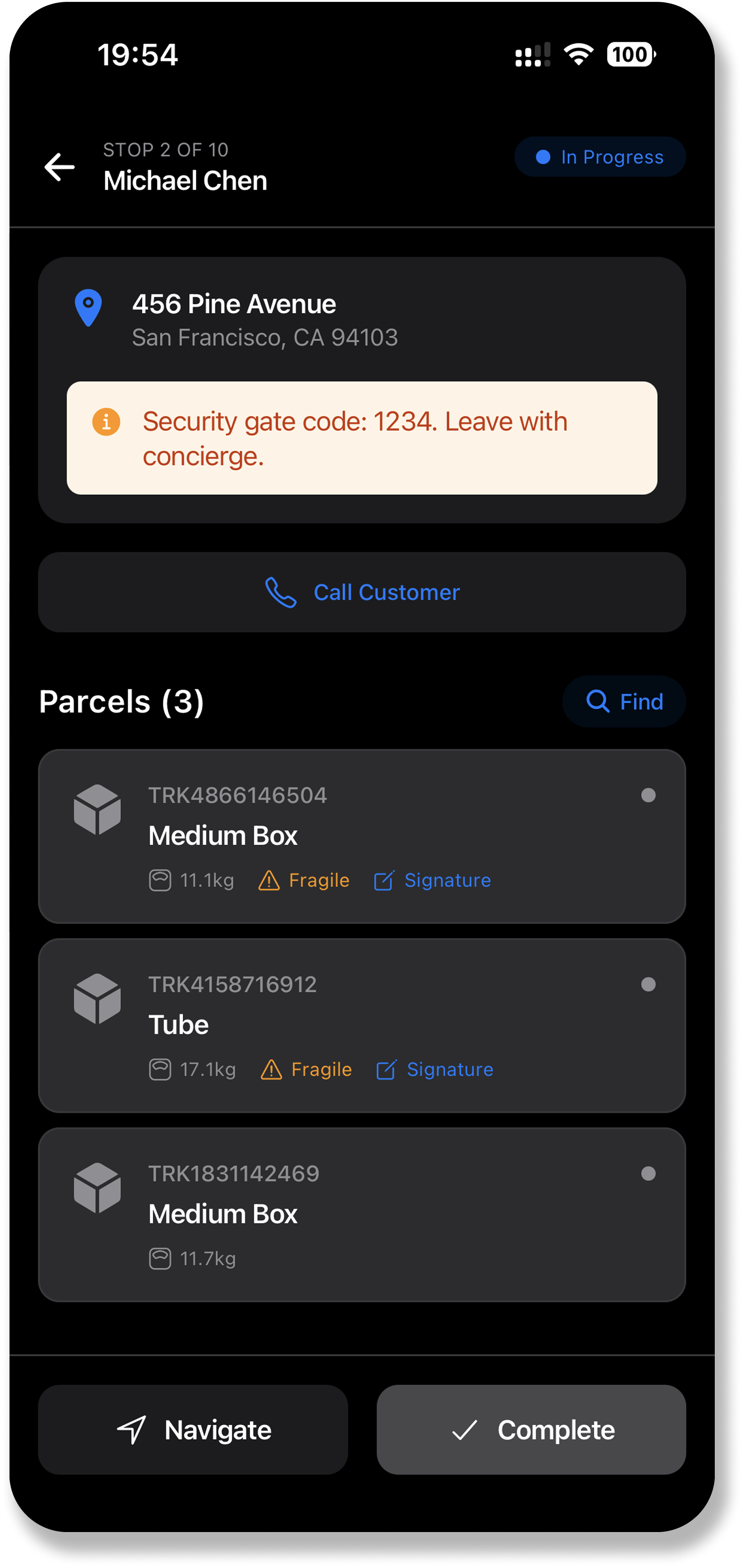
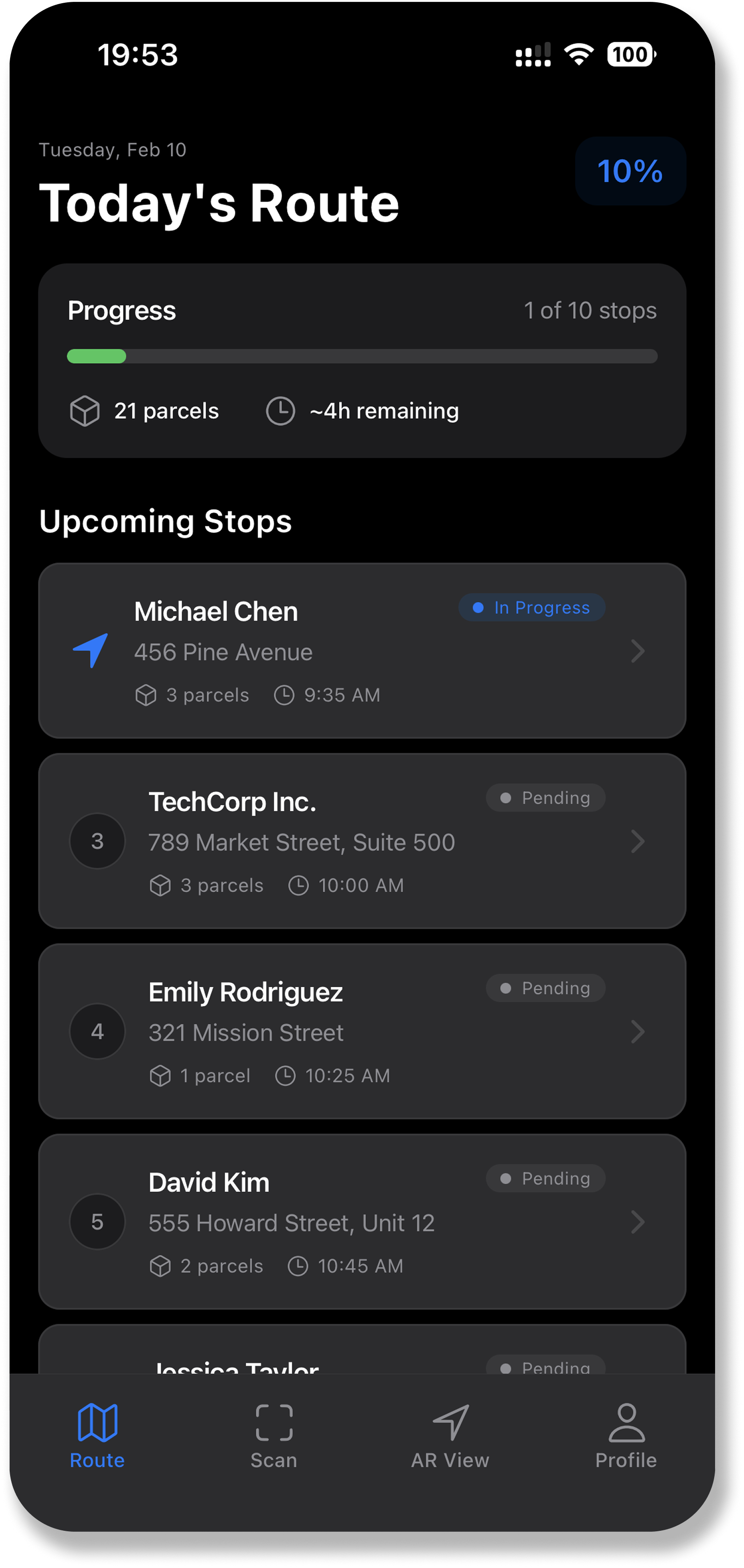
Primary Dashboard interface in real time

Background

Last-mile delivery remains the most expensive and error-prone part of logistics accounting for nearly 53% of total shipping cost. Drivers deal daily with confusing addresses, heavy workloads, and constant switching between navigation, calls, and apps.

dropAR was designed to merge real-world navigation and digital workflow into one seamless augmented experience allowing drivers to focus on the road, not the screen.

The Challenge

Delivery agents face three recurring friction points:

  • Difficulty locating precise drop-off points in dense neighborhoods
  • Cognitive overload from switching between navigation and delivery apps
  • Manual input and verification errors causing delays

My Objective

To craft an AR-assisted mobile experience that simplifies last-mile delivery by:

  • Providing context-aware, real-time guidance
  • Reducing mental effort and screen dependency
  • Streamlining scan-to-deliver workflow
53%
shipping cost
35%
higher task load

The Solution

dropAR overlays digital intelligence on the physical world using AR navigation, voice guidance, and smart recognition to simplify each delivery step.

Core features

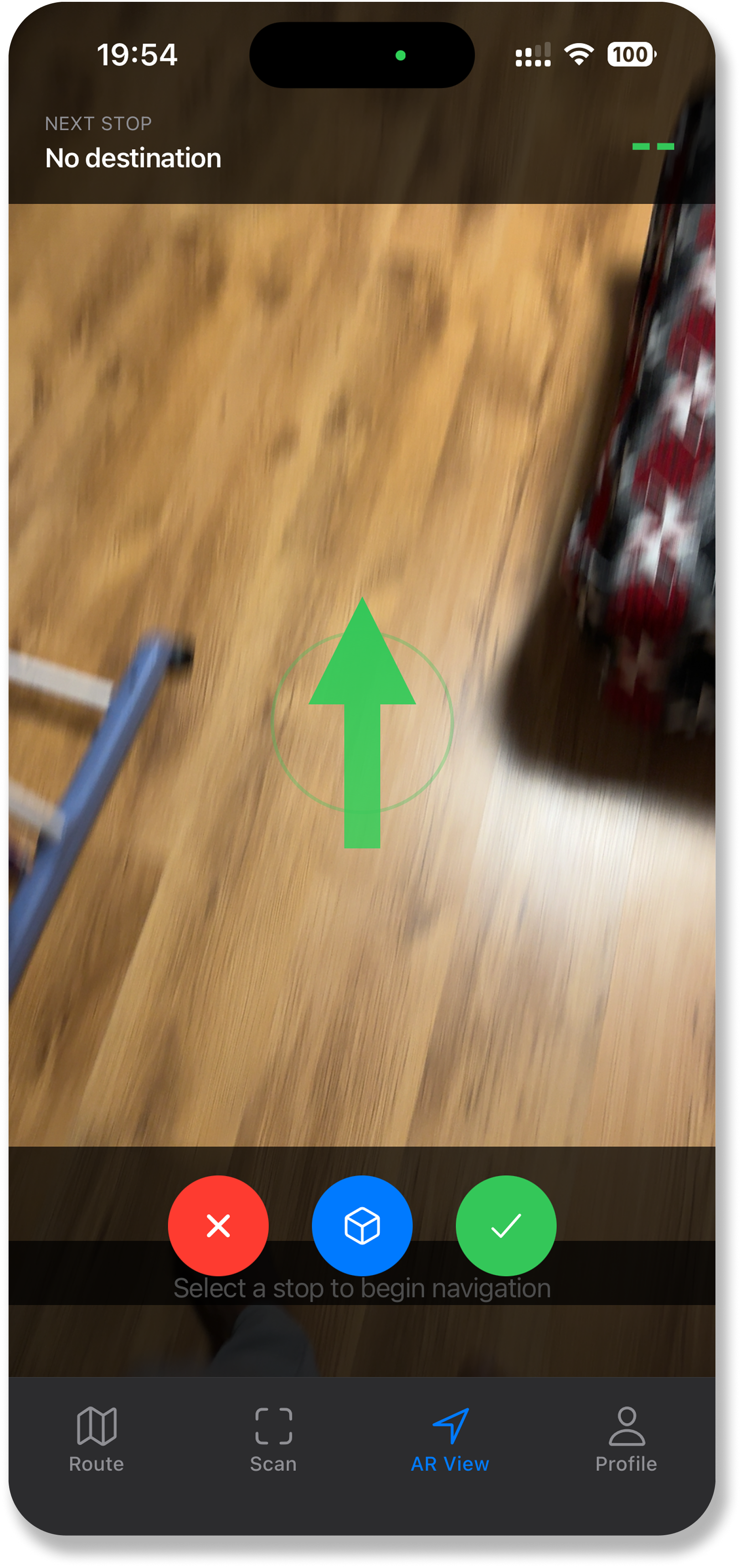
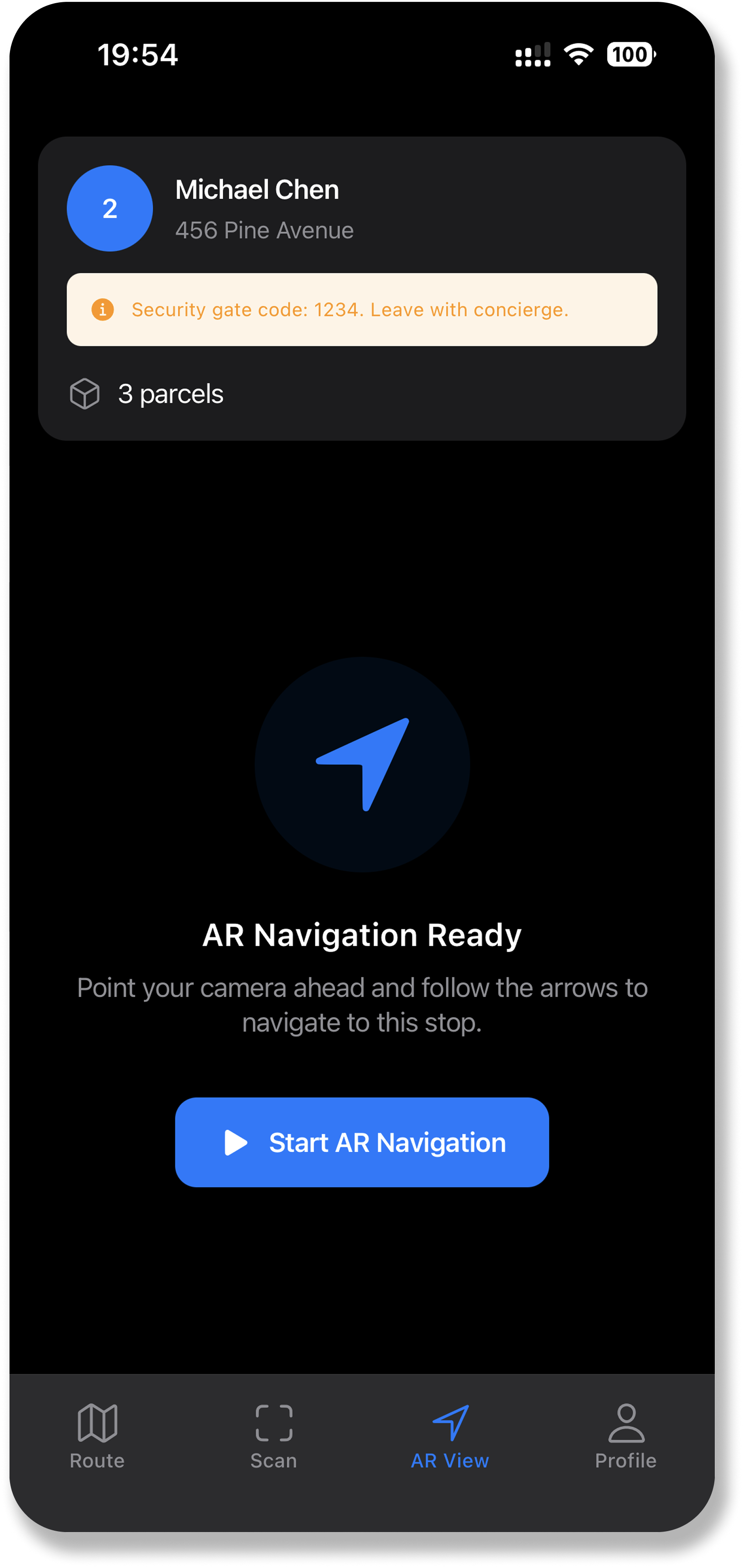
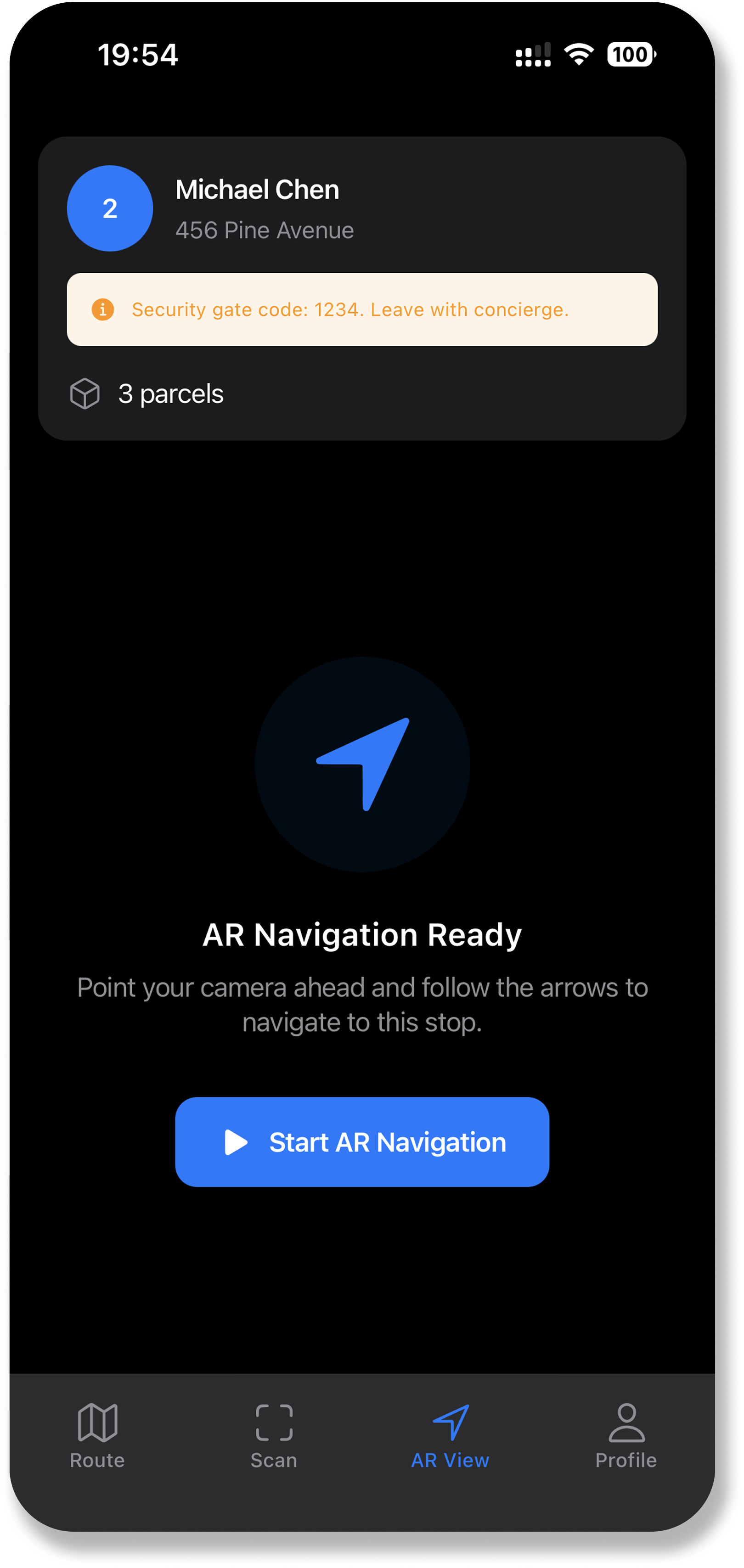
  • AR Navigation View: dynamic route arrows projected onto real environments
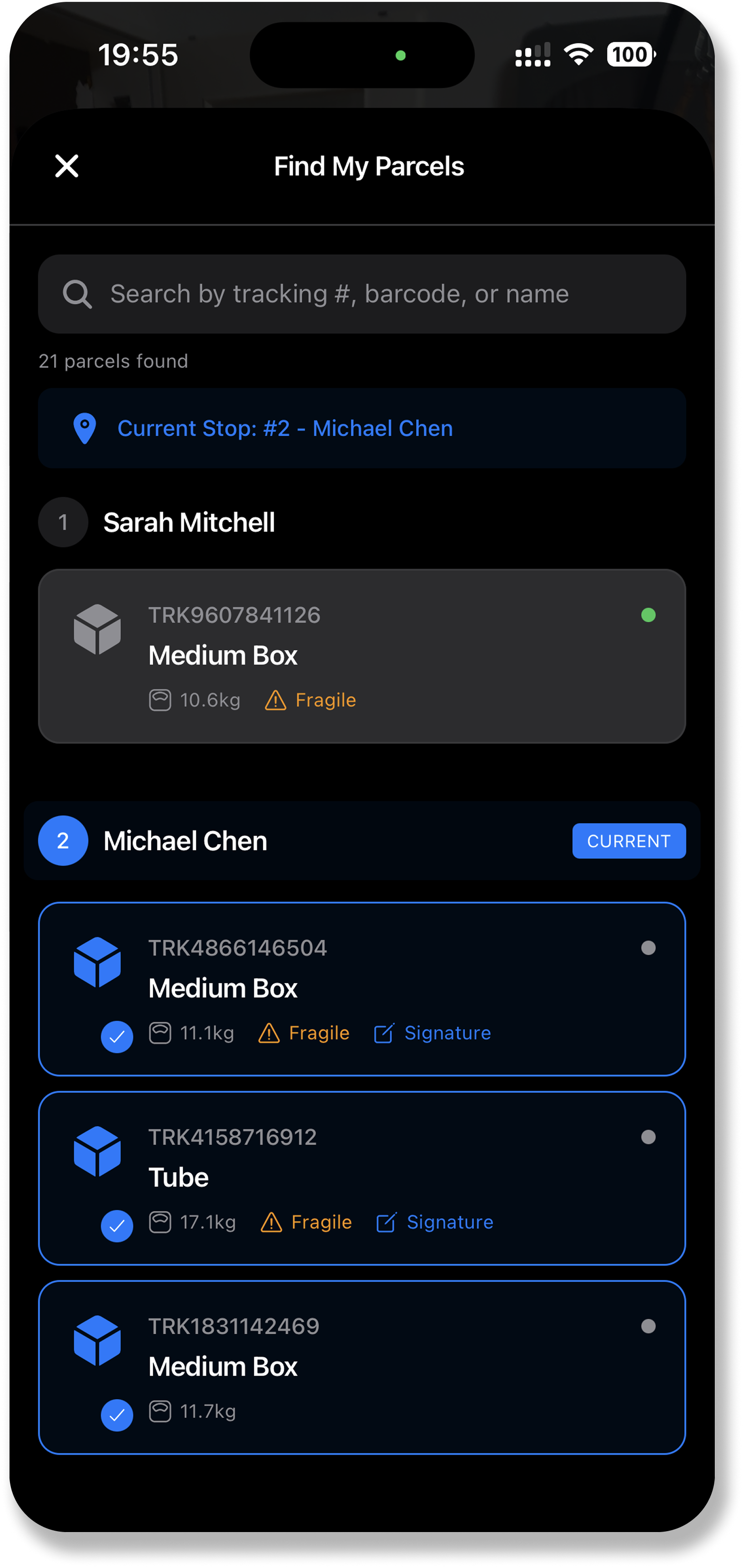
  • Smart Parcel Scan: automatic recognition and verification of package IDs
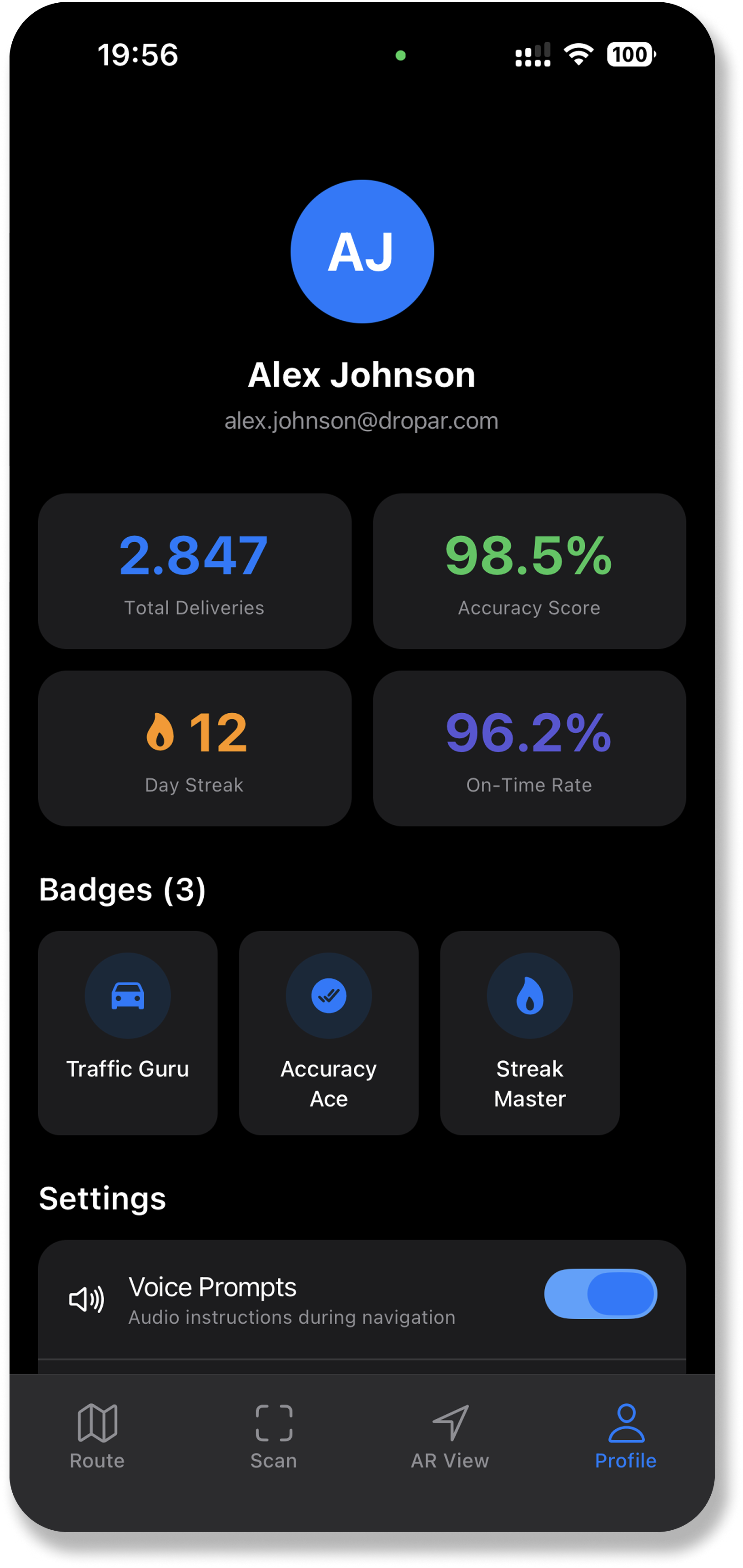
  • Voice Workflow: spoken updates and commands to reduce touch interaction.
  • Doorstep Precision Mode: detects entrances and improves micro-location accuracy
Process Methodology

Architectural efficiencythrough intelligent integration

A look into how I streamlined the design lifecycle by embedding AI at key friction points, speeding delivery without losing structural clarity.

How I used AI to move faster

01

Discovery & Synthesis

Used LLMs to cluster interview notes faster, so I could pivot earlier without waiting days to "finish research".

02

Information Architecture

Generated edge-case paths (signal loss, reroutes, mismatch flows) and validated the logic against real delivery steps.

03

Content & Microcopy

Explored tone variants for voice prompts + error states, then rewrote with real delivery context (no generic copy).

04

Prototyping & Iteration

Accelerated layout options + interaction variations, keeping human focus on motion clarity and safety.

05

Quality Assurance

Used structured checklists for states + accessibility: glare readability, contrast, touch targets, offline behavior.

Front end

Truck Camera VisionUnique fingerprints →

Backend

Management and routing softwareParcel & customer infoRecognition algorithmTracking algorithm

Frontend

AR integrated mobile application
LoadingProcessingDelivery
Strategic Execution

Decisions & Impact

An architectural breakdown of the key product decisions that shaped dropAR's core experience.

Decision 01

Consolidated Delivery Workflow (No App Switching)

Why

App switching drives cognitive fatigue and slows deliveries.

Options explored

Keep navigation external + delivery inside app · Split AR as a separate mode · Unify navigation + verification + confirmation inside one flow

Final solution

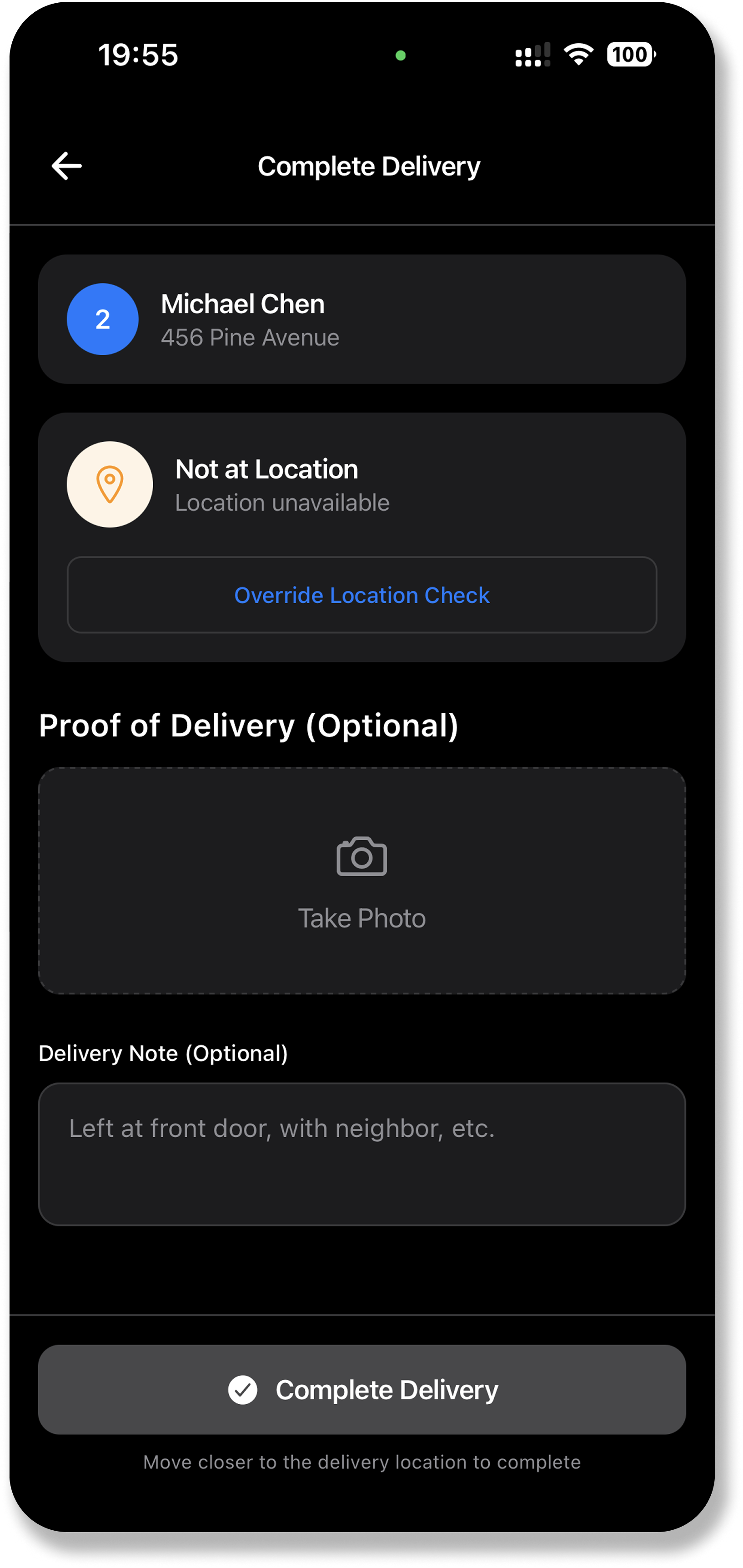
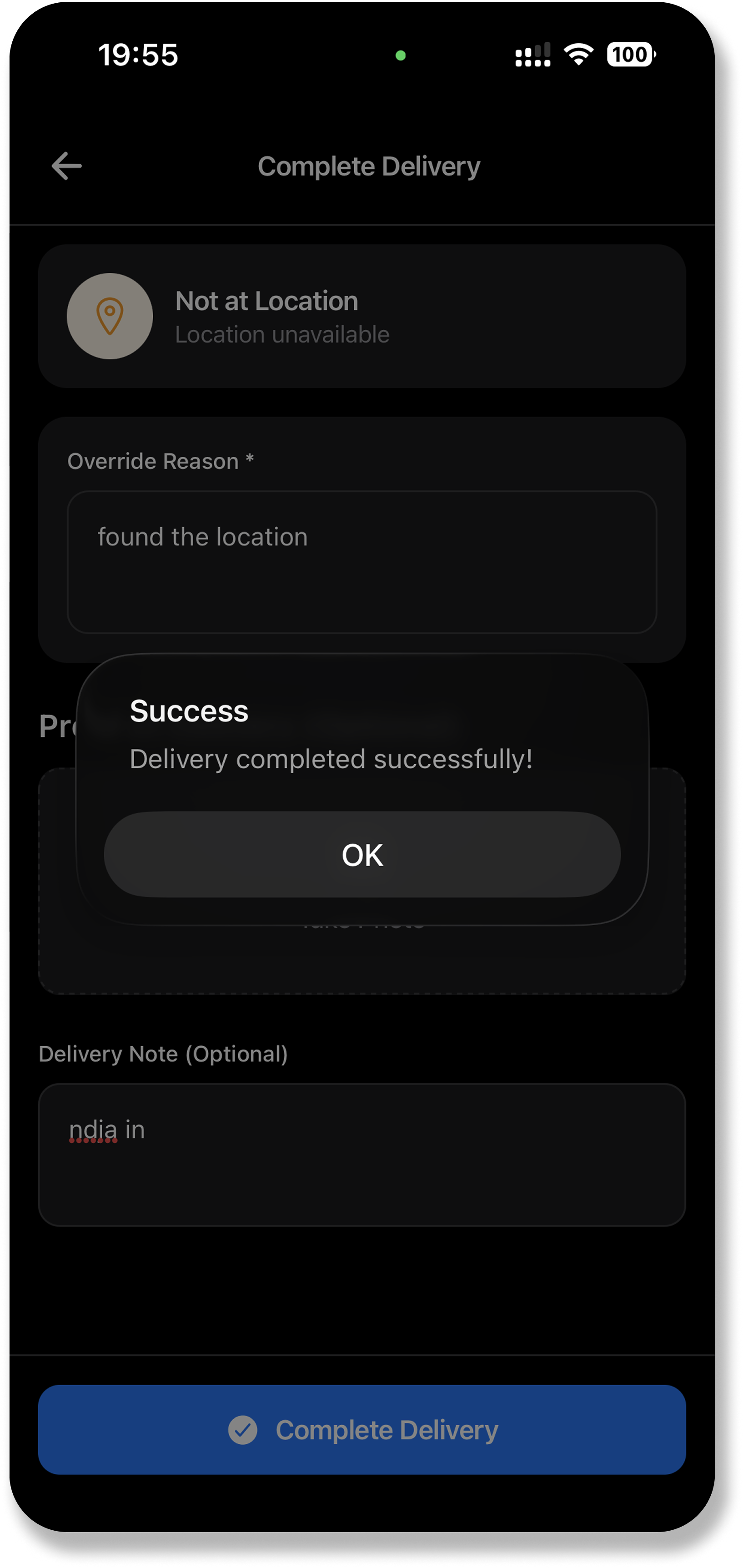
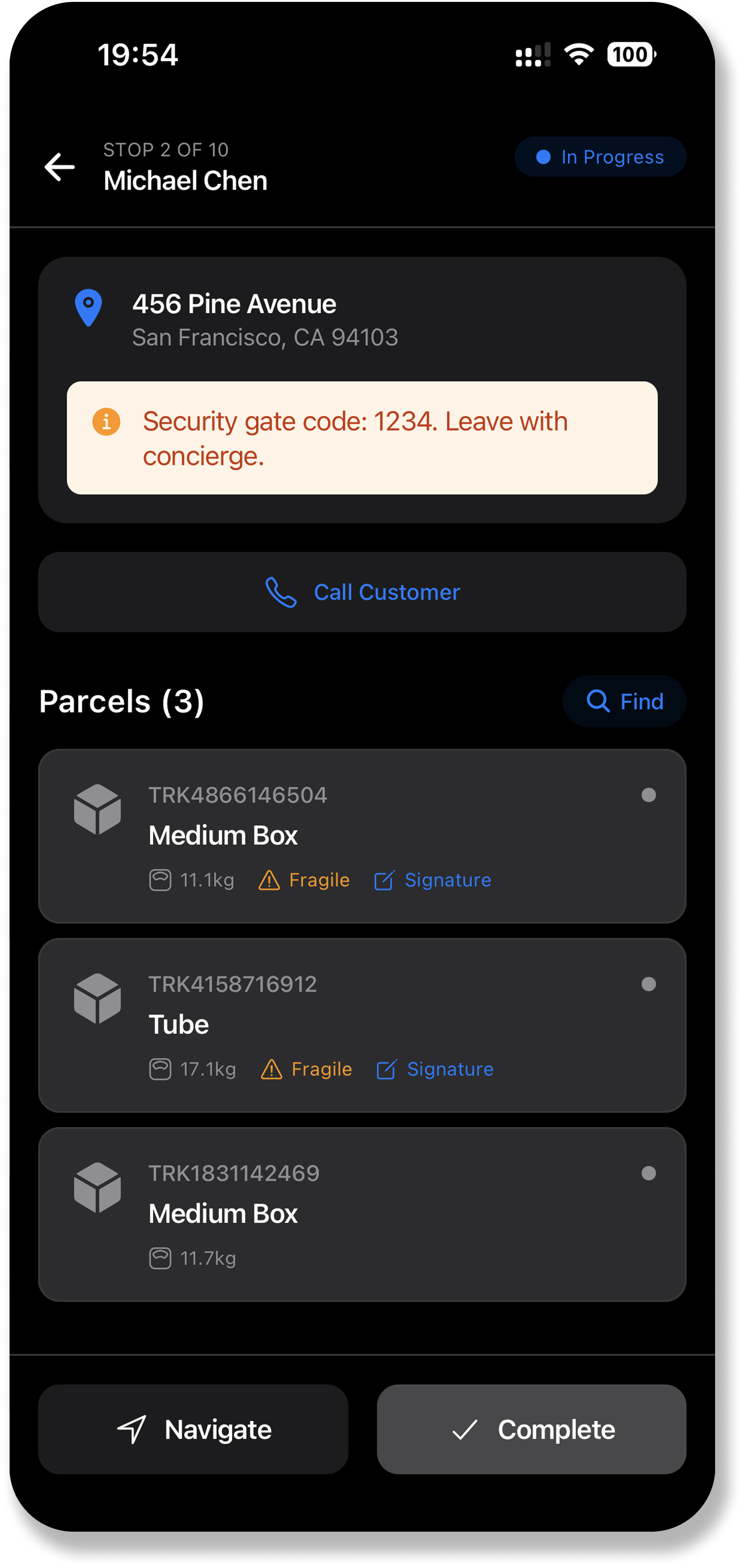
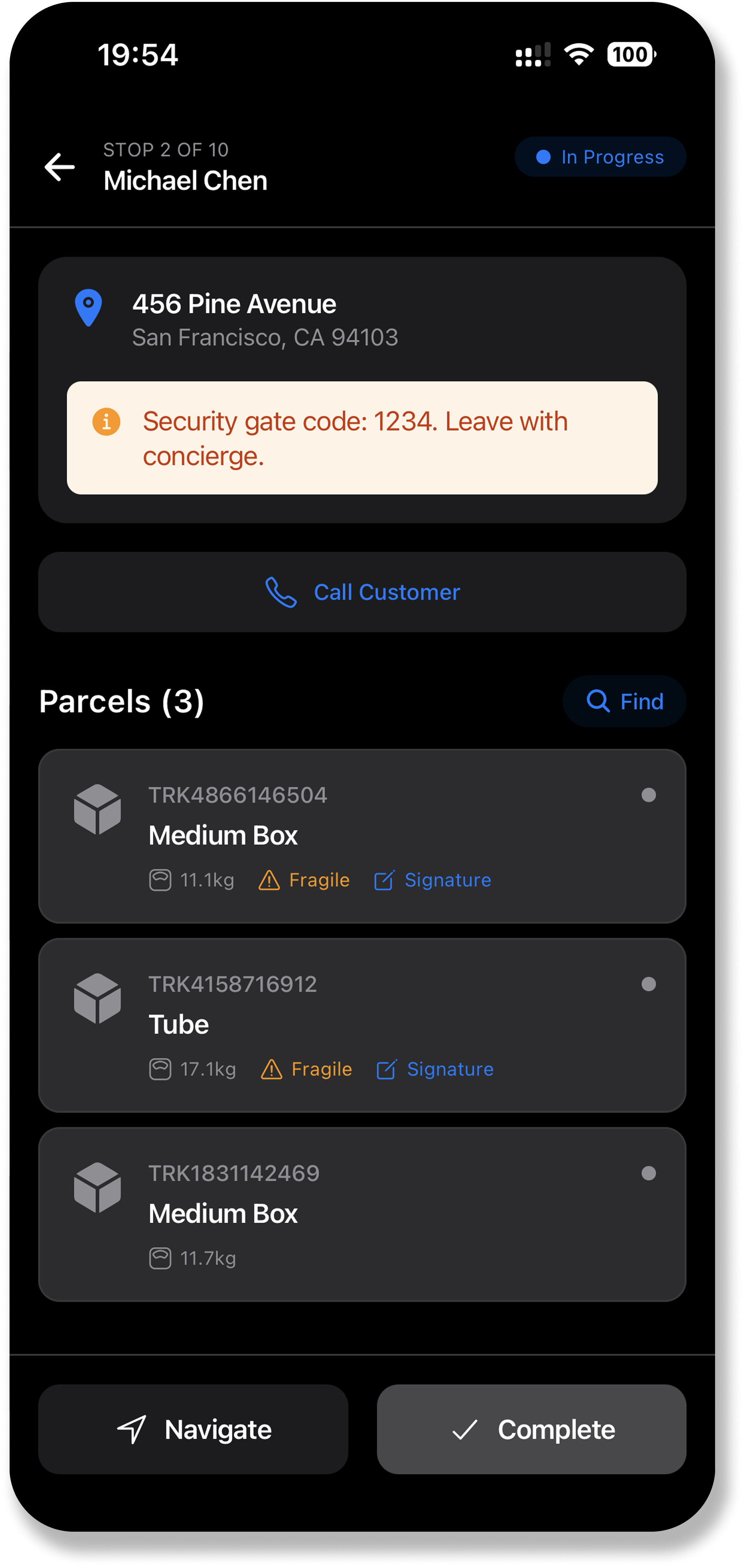
A single delivery loop: route → AR cues → scan/verify → confirm → next stop.

Impact

Lower mental overhead, fewer "where am I / what next" moments, faster progression between stops (qualitative from observation + workflow mapping).

Trade-off

More complexity in state handling (offline, reroute, mismatch), solved through explicit states + quick recovery actions.
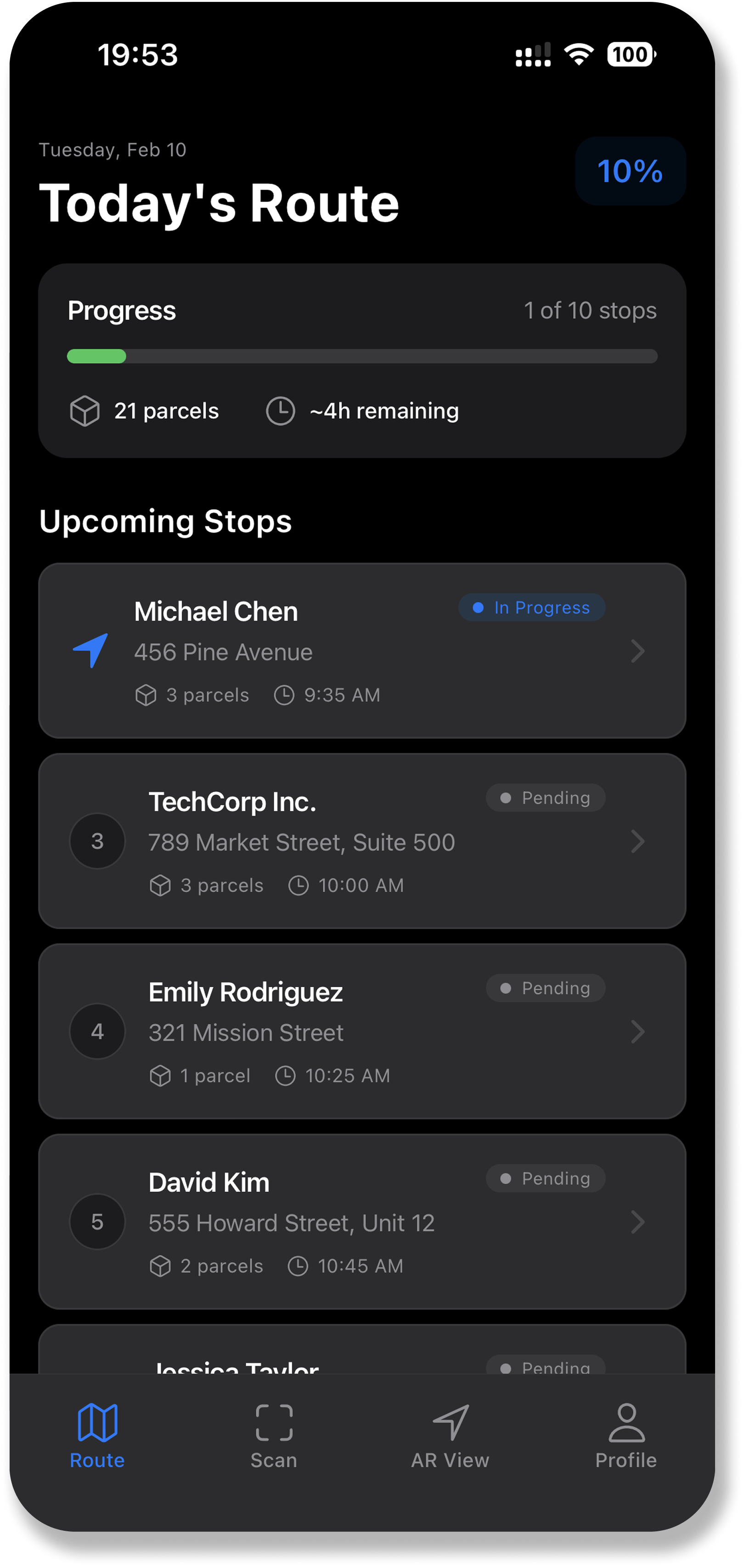
Today's Route
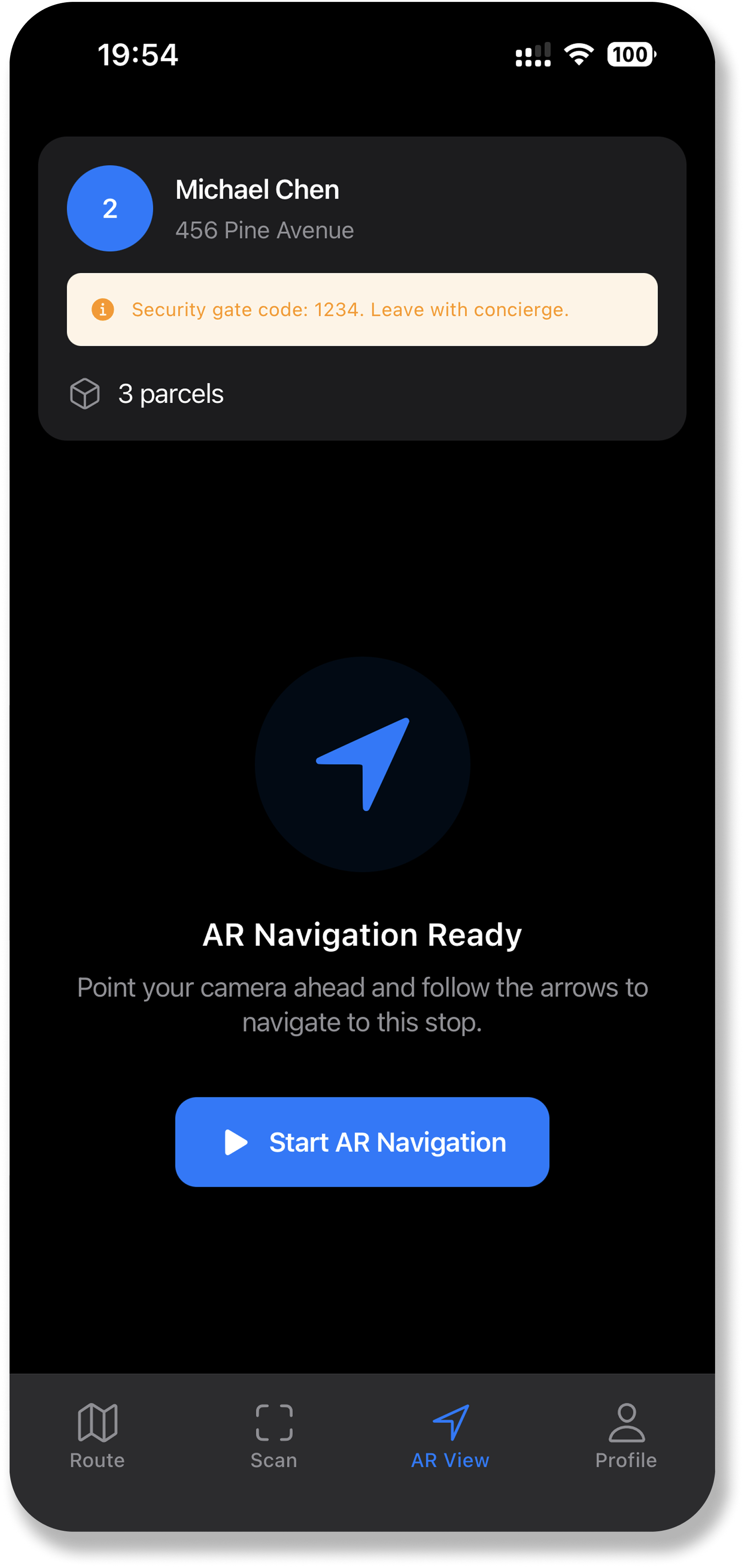
Stop detail – Michael Chen
AR Navigation Ready
Decision 02

AR Cues Over Addresses

Why

Addresses alone fail in dense areas; drivers use landmarks and visual memory.

Options explored

Stronger map UI · Text-based step guidance · AR camera overlay with directional cues

Final solution

Camera view becomes the primary navigation surface, with route arrows and contextual cues.

Impact

Faster orientation at the last 20–50 meters, less second-guessing entrances and drop points (behavioral insight-driven).

Trade-off

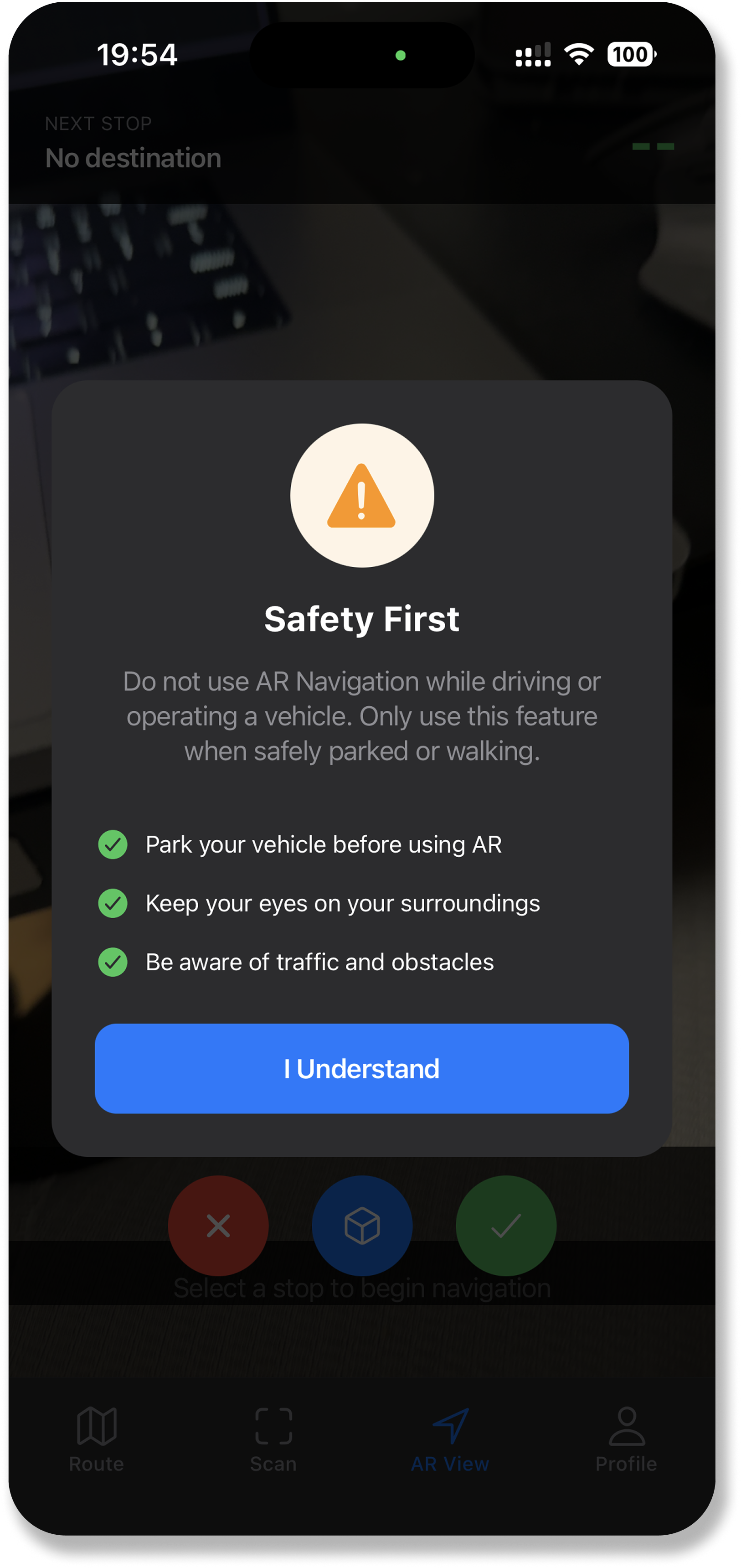
Visibility issues in glare/bright light, handled with contrast-first UI and simplified overlays.

Screen 7
Screen 8
Screen 9
Decision 03

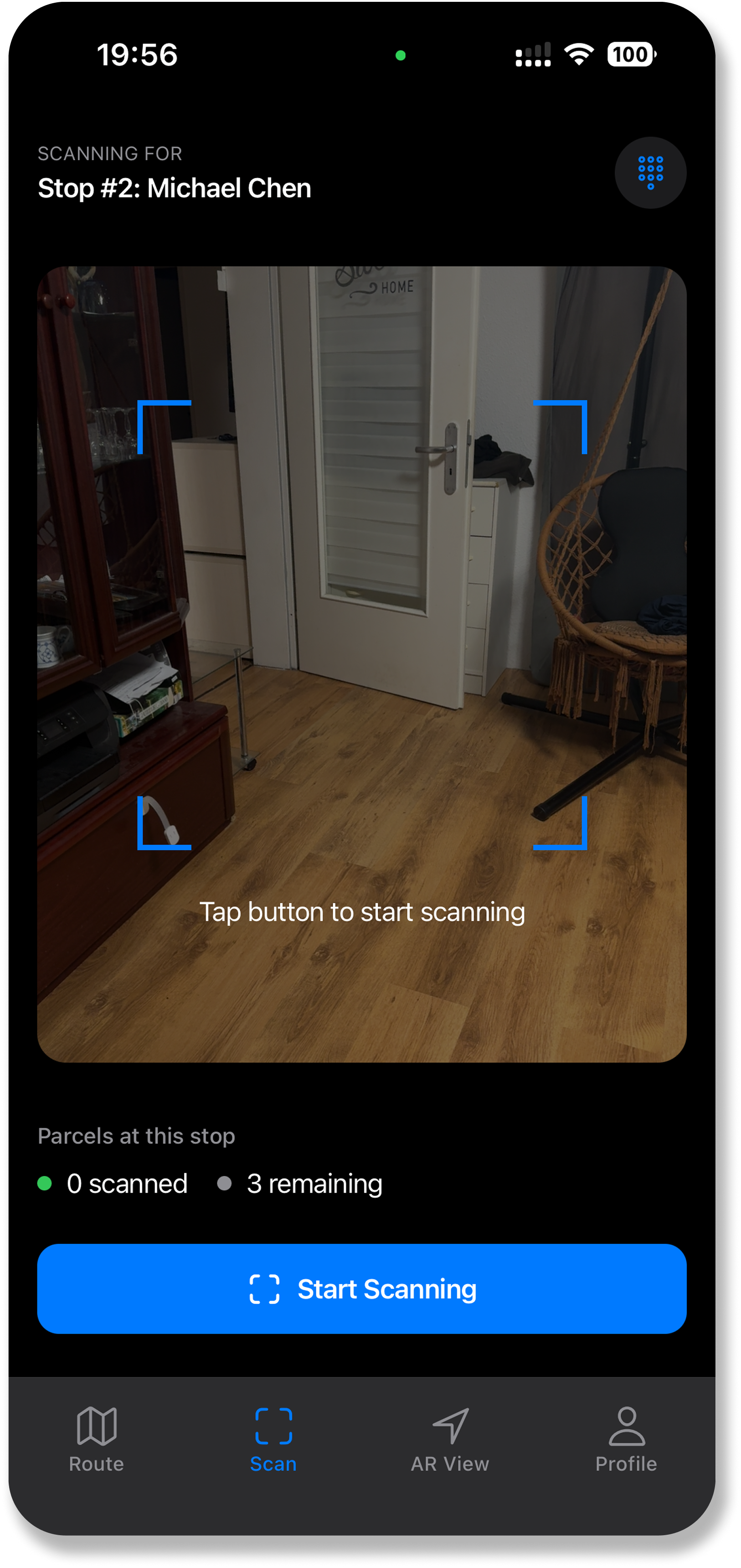
Smart Parcel Scan With Verification States

Why

Manual input + verification mistakes cause delays and escalations.

Options explored

Manual entry only · Scan only (no verification) · Scan + match confirmation + mismatch recovery

Final solution

Smart parcel scan with clear outcomes: match / mismatch / rescan / manual fallback.

Impact

Reduced error likelihood during time pressure by making the "correct next action" obvious.

Trade-off

Extra step when scan fails, softened with fast retry + one-tap manual entry.

Screen 10
Screen 11
Screen 12
Decision 04

Voice Workflow + Minimal Touch Completion

Why

Drivers multitask; touch-heavy UIs are unsafe and slow during motion.

Options explored

Full touch UI · Voice-only · Hybrid: voice prompts + simple touch confirmations

Final solution

Spoken updates and commands paired with minimal-touch confirmations and one-hand gestures.

Impact

Less screen dependency, smoother flow when hands are occupied, calmer delivery behavior.

Trade-off

Voice reliability in noisy environments, kept commands limited and always provided touch fallback.

Screen 13
Screen 14
Screen 15

Validation

Quick checks through mock scenarios (bright glare, reflective surfaces, in-motion gestures) to verify legibility and interaction comfort, iterating the overlay density and control placement.

Outcome

dropAR delivers a unified, AR-led delivery workflow that reduces switching, improves verification clarity, and keeps drivers focused through contextual cues and voice support.

I ship clean, scalable UX that respects constraints and delivers measurable outcomes.